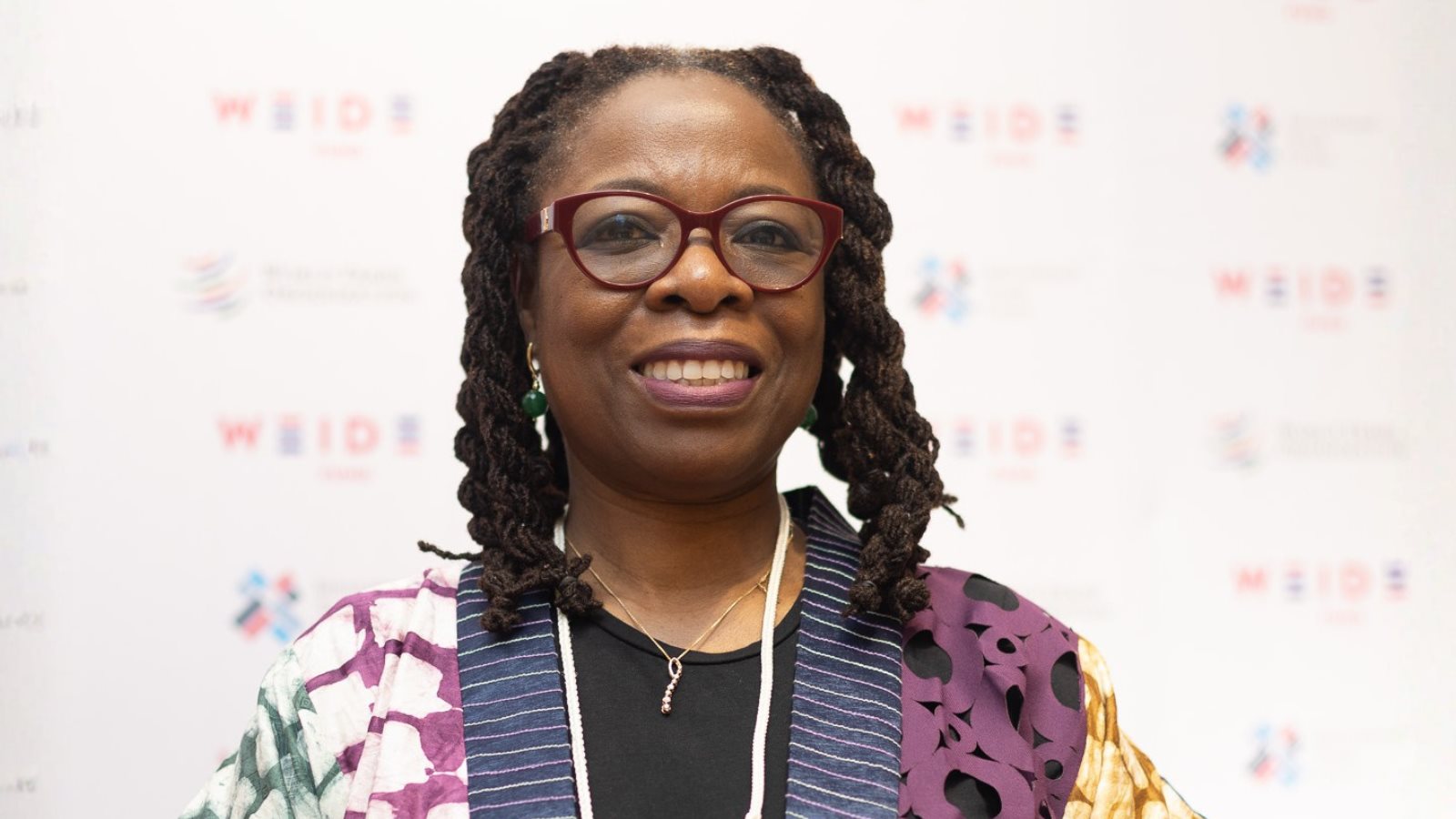
Achenyo Idachaba-Obaro at the WEIDE Launch Event in Abuja in August 2025 © WEIDE
WEIDE helps materials enterprise to improve business clarity and increase digital footprint
In this interview, Achenyo Idachaba-Obaro, founder of MitiMeth, an award-winning Nigerian materials and artisan enterprise, details how she turns overlooked natural resources and agricultural residues into fashion and interiors products, meanwhile creating livelihoods for women and young people. Training she received from WEIDE helped her to re-examine and refocus her business.
How did you start your business? What inspired you?
More than 15 years ago, while visiting Lagos from Ibadan, I looked out over the Third Mainland Bridge around Iyana Oworo and saw boats hemmed in by dense clusters of water hyacinth. I remember thinking how frustrating it must be for communities whose livelihoods depend on these waterways to have their movement and economic activities disrupted by an invasive weed.
That moment sparked my curiosity. I began researching water hyacinth and its potential uses. I often say, “If necessity is the mother of invention, frustration is surely the father of innovation.”
When I returned to Ibadan, I went to the University of Ibadan campus and spent months experimenting with water hyacinth harvested from the university dam, learning the characteristics of the plant and exploring its suitability as a material for handicrafts.
MitiMeth grew from those early experiments. I like to describe the business as a tangible expression of the message I had been advocating around waste recovery and productive reuse.
I saw the environmental and economic problems caused by invasive aquatic weeds in riverine and riparian communities, and I believed there had to be a low-cost, high-impact way to transform those challenges into an opportunity, both for the environment and for the people whose livelihoods were affected by them.
Where has this 15-year journey of discovery, study and idea development taken you today?
Today, MitiMeth is an award-winning materials and artisan enterprise transforming invasive aquatic weeds and agricultural residues into distinctive fashion and interiors products. From handwoven rugs and decorative objects made with water hyacinth and other natural fibres, to natural buttons made from coconut shells and cow horn waste, we at MitiMeth are demonstrating the commercial possibilities of materials that are often overlooked or discarded.
At the same time, we are building livelihoods by developing skills and creating income-earning opportunities for women and young people.
What began with an observation on the Third Mainland Bridge has become a much bigger mission: to transform environmental challenges and underutilized natural resources into materials, products, livelihoods and economic opportunities.
In 2025 you applied for the WEIDE Fund and were selected. What has changed or improved for you since then?
I applied for the WEIDE Fund with a very specific ambition: to grow the market visibility of MitiMeth’s handmade home textiles and natural fashion trims (buttons), to build business-to-business (B2B) market linkages for both product categories, and to move from predominantly direct-to-consumer transactions towards scalable B2B domestic and export opportunities.
One of the earliest benefits of the WEIDE programme was clarity.
What do you mean by that? Can you give us an example?
Over the years, MitiMeth had evolved into a complex business with many product lines, stock-keeping units (SKUs) and moving parts. The WEIDE course exercises forced me to step back and look critically at the business through a commercial and digital lens. I realized that growth would require greater focus, such as by prioritizing strong revenue-generating products, streamlining our offering, and being much more intentional about developing products that could be marketed digitally, sold across borders and dispatched efficiently.
Then came an unexpected test.
When I was a few months into the WEIDE programme, in February 2026, MitiMeth lost its established Instagram accounts for home décor and for buttons, which had been important engines of our digital presence. More than 10 years' worth of content, followers, customer relationships, brand equity and community-building disappeared almost overnight, without transparent recourse.
For a small business, losing access to a platform in which years of brand-building have been invested can have significant consequences.
But the setback also reinforced one of the lessons I was learning from WEIDE: that our digital visibility could not depend on a single platform. Thankfully, we had already developed our presence on other platforms beside Instagram.
With support from the WEIDE grant, MitiMeth began building a new Instagram account and amplifying its digital footprint through targeted advertising and greater investment in other channels. The results thus far have been encouraging. In approximately two and a half months, our YouTube community grew from 112 subscribers to 2,840, while our LinkedIn following increased from 985 to 1,304. Our new Instagram account also grew to 510 followers, an increase of 339.7 per cent compared with 31 in May 2026 with the new account.
Despite losing two of our most established social media assets, MitiMeth’s overall digital footprint has expanded. More importantly, we are building a more diversified and resilient foundation for digital visibility and customer acquisition.
WEIDE has also influenced how I think about product development and market opportunities.
How are you developing MitiMeth’s product portfolio?
MitiMeth has continued to develop its natural fashion trims portfolio, including new button designs made from cow horn, a food-industry waste stream. Together with our coconut-shell buttons, these products demonstrate an opportunity to turn locally available waste materials into distinctive natural components for the global fashion and textile industry.
Our handmade home textiles (rugs and wall art) remain another important growth opportunity. Produced from natural fibres including invasive water hyacinth, they demonstrate how an environmental challenge can be transformed into a commercially relevant interior decoration product, while supporting artisan livelihoods.
What has been the most significant outcome of the 12-month WEIDE programme for you?
Perhaps one of the most significant outcomes for me came from the final WEIDE course, which provided both the tools and the impetus to develop a dedicated investment pitch deck and growth roadmap for MitiMeth’s natural button business.
I have mapped out with clarity what it will take to move the button business from its current artisan production base towards greater production capacity, stronger B2B market penetration and export growth. I feel better prepared to approach potential investors, buyers and strategic partners, and clearer about how digital visibility must support that growth.
WEIDE has therefore given MitiMeth more than visibility. It has helped me to sharpen the business, strengthen our digital resilience and build a clearer pathway from an artisan enterprise with innovative products to a materials business capable of serving larger B2B markets.
What are you planning to achieve with the sustainability phase of the programme?
The next chapter is about scale: taking MitiMeth’s rugs and natural buttons into more international markets, building stronger B2B partnerships, expanding production and creating more economic opportunities around materials that the world too often regards as waste.
MitiMeth is looking for buyers, sourcing partners, distributors, interior designers, architects, fashion brands and investors within Africa and beyond.
About the WEIDE Fund
Launched in 2024 by the WTO Secretariat and the International Trade Centre (ITC), the WEIDE Fund addresses persistent barriers faced by women entrepreneurs in accessing finance, digital tools and global trade opportunities. The Fund is supported by the United Arab Emirates, the FIFA World Cup Qatar 2022™ Legacy Fund and the Kingdom of Bahrain. It is currently being implemented in four countries in partnership with four business support organizations: ProDominicana, the Jordan Enterprise Development Corporation (JEDCO), the Mongolian National Chamber of Commerce and Industry (MNCCI) and the Nigerian Export Promotion Council (NEPC).
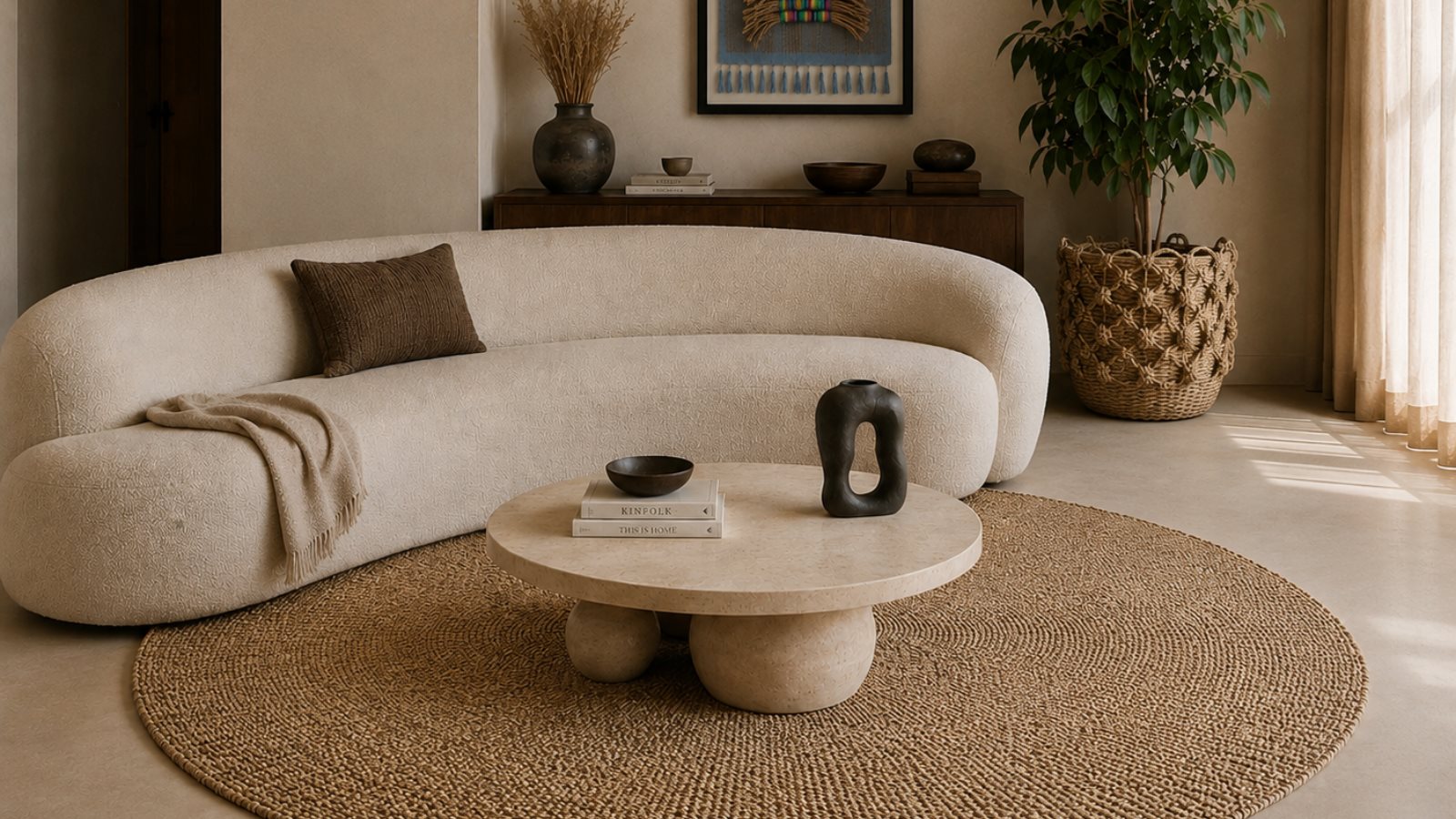
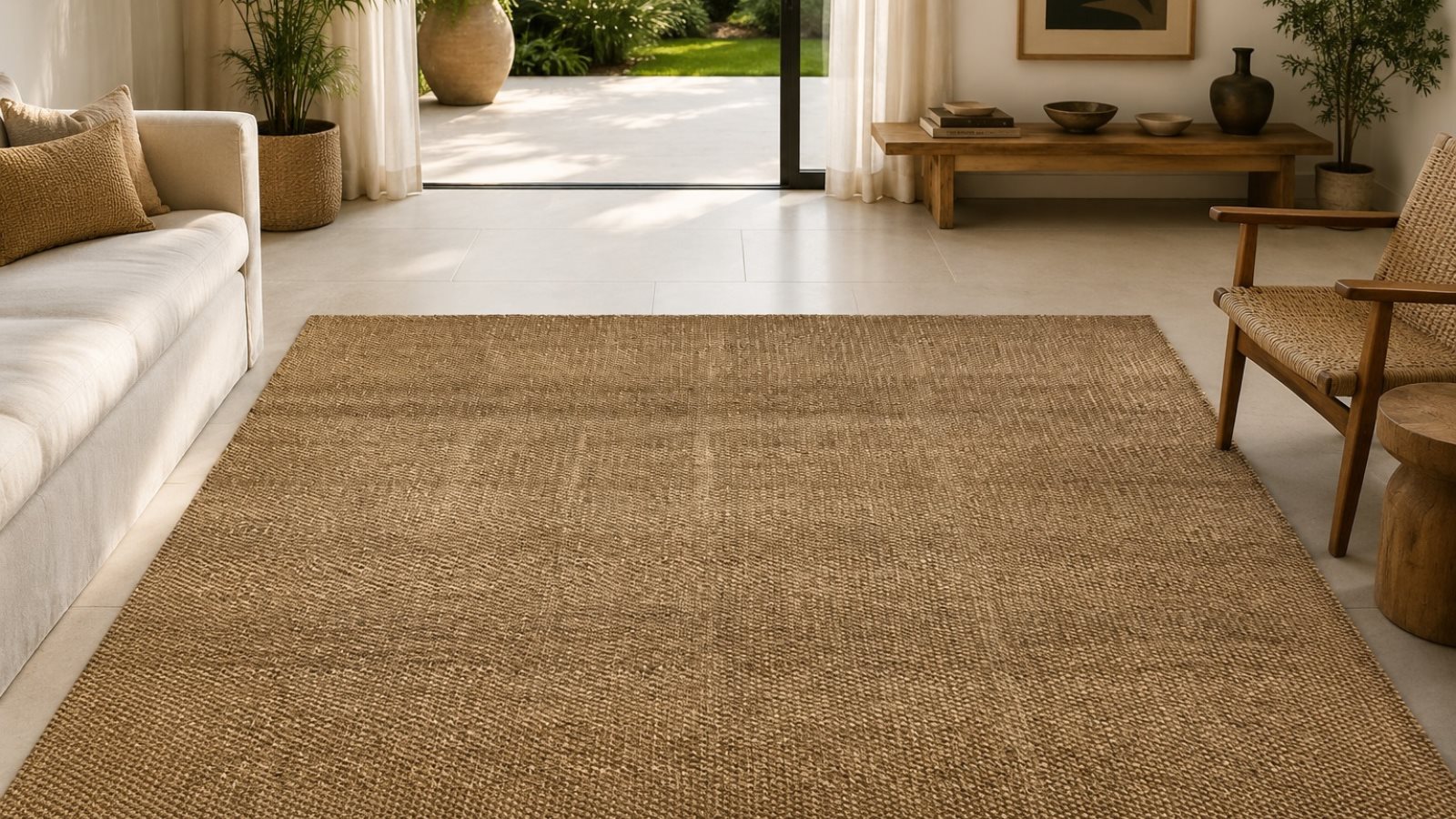
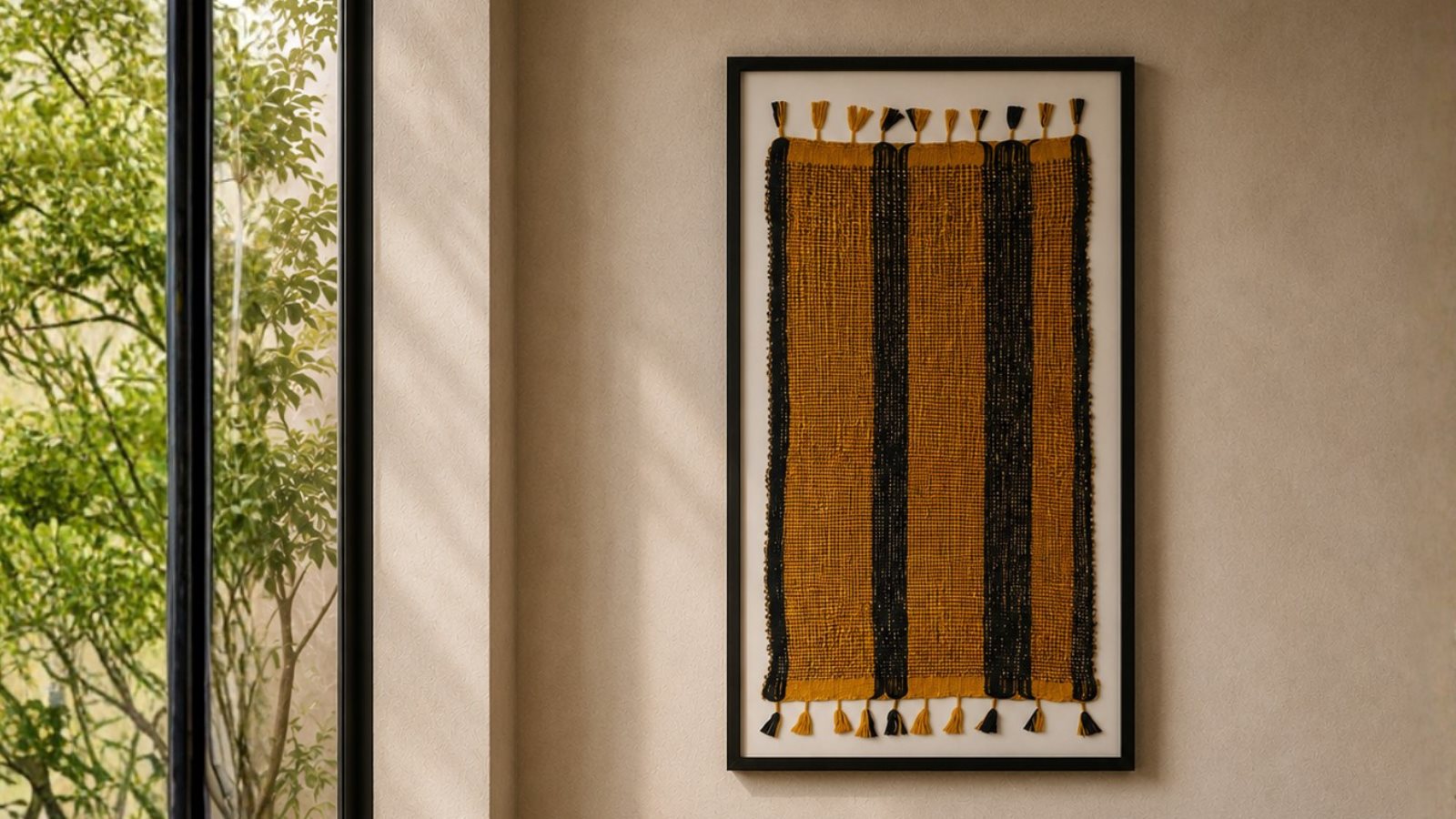
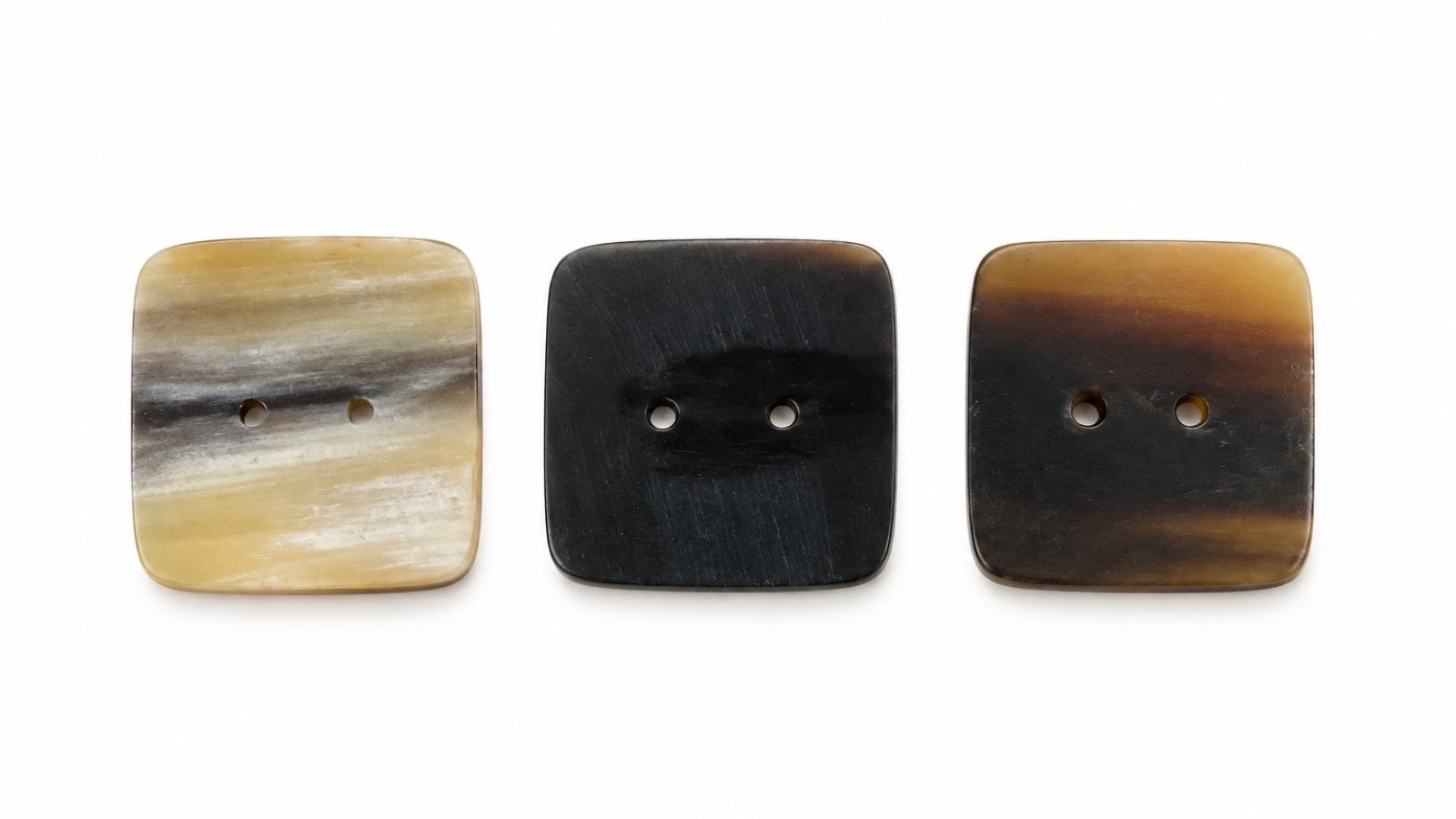
© WEIDE/MitiMeth
Partners